Rodeo History
Rodeo Is a Steamboat Tradition
No one knows for sure when Steamboat Springs hosted its first organized rodeo competition, but mentions of competitive events in the local newspaper, the Steamboat Pilot, date back to at least 1898. Looking through historical files, it seems no local celebration was complete without some type of rodeo competition.
A clipping from the July 6, 1898, Steamboat Pilot describes The Hot Time celebration of 1898. The event included an orchestra, literary exercises, a dance, running races, and, of course, bronco riding. The article described riders being thrown from broncs and noted, “This feature was far more interesting than had been anticipated.” In September 1899, the paper wrote about Game Day, reporting that the multi-day event drew about 3,000 people to Steamboat Springs to watch rough riding, steer roping, pony racing, shooting contests, running races, and dances.

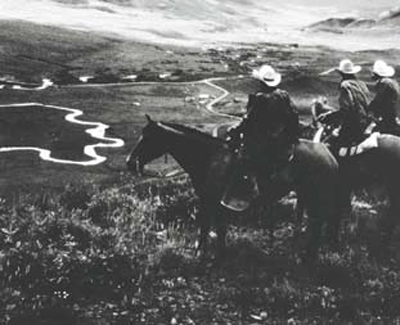

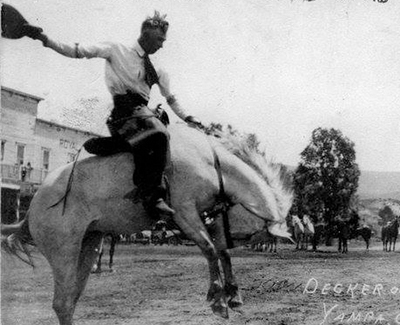
At the turn of the 20th century, there was no formal rodeo arena, but the land near the Yampa River where today’s rodeo arena stands was already being used for competitions. During the summer of 1907 for Game & Fish Day, spectators formed a rodeo ring by positioning their horses in a circle with their heads turned inward. In later years, cars were used to form the circle instead.
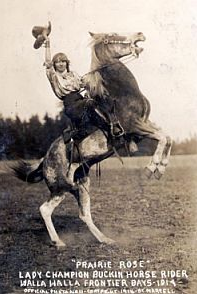
In the early 1900s, Steamboat also developed a reputation for raising some of the toughest bucking animals in rodeo. Some became just as famous as their riders. Notable horses from that era included Pin Ears, Carrie Nation, and General Pershing. Back then, names like Tuffy Wren, Bill Corbett, Kid Vaughn, Walter Long, Emery Clark, and Lawrence Marshall were local rodeo heroes. Today, Steamboat’s rodeo arena still hosts legends, hall-of-famers, world champions, circuit champions, season champions, and raw rookies alike.
Steamboat Pro Rodeo Series Keeps the Past Alive
Steamboat’s rodeos have grown over the years into major PRCA-sanctioned events, and the modern rodeo arena still sits on the same land local cowboys chose for their competitions generations ago. The arena underwent renovations in 1989, and in 1990 it was renamed Brent Romick Rodeo Arena in honor of a long time local rodeo athlete and businessman, Brent Romick, who heavily advocated for the updates.
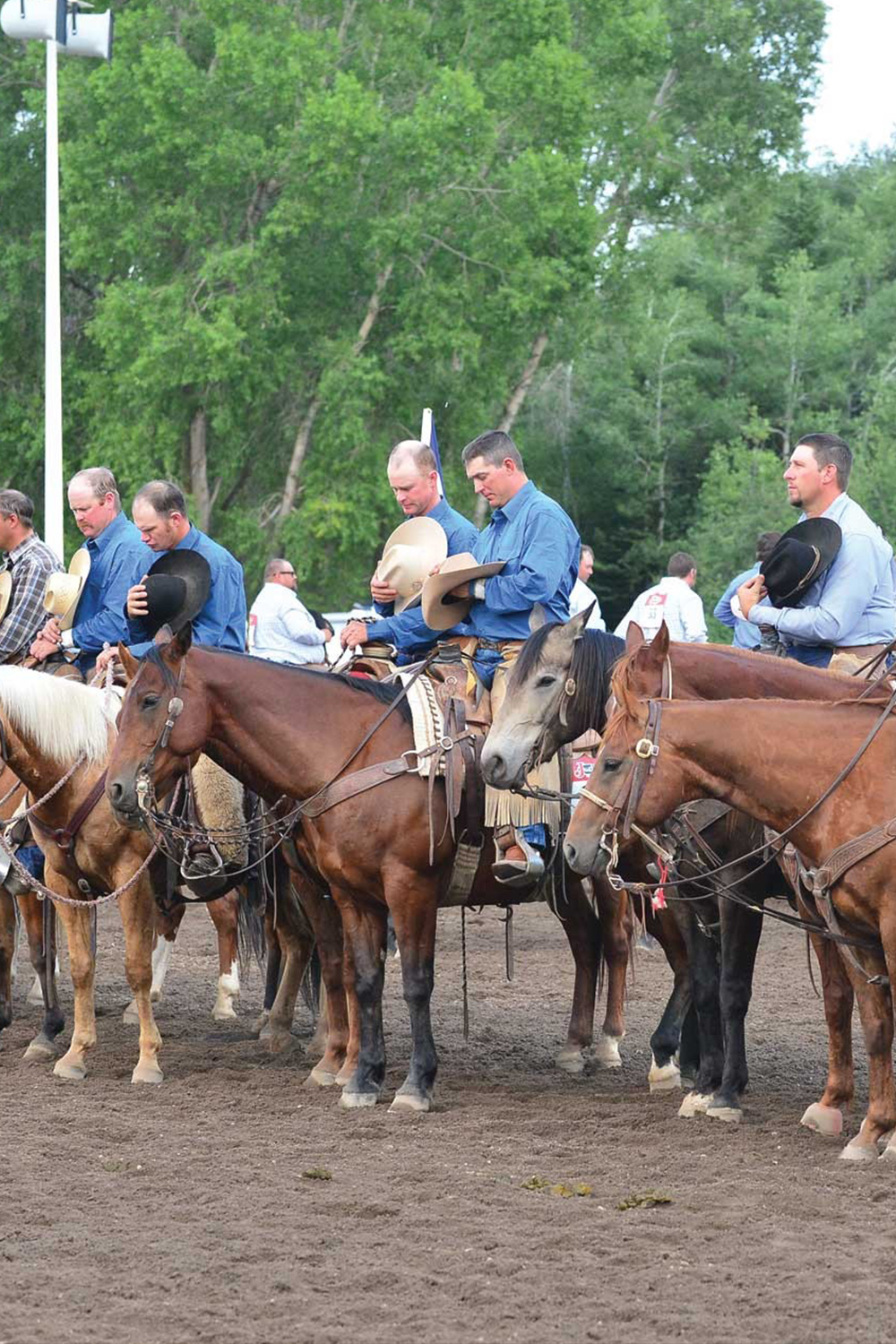
The rodeo remains an important part of summer in Steamboat Springs. Every Friday and Saturday evening from mid-June to mid-August, Steamboat hosts PRCA-sanctioned competitions during the Steamboat Springs Pro Rodeo Series, along with additional events such as pro bull riding, team penning, and team roping throughout the summer.
Steamboat’s rodeo is as popular today as ever. While the sport has not changed much with modern inventions, its roots go back to the cowboy era, one of the most enduring chapters of Western history. Cowboys remain icons of the West for their independence and toughness, and visitors can still watch that spirit firsthand in the arena.
Why is the rodeo still so important to Steamboat today? “Steamboat was a ranching town before it was anything else,” said John Shipley of the Steamboat Springs Pro Rodeo Series. “I think the rodeo is important to our community because it reminds us of our heritage in Northwest Colorado. It helps us keep our noses on our faces and not up in the air and our boots planted firmly on the ground.”
Steamboat Springs’ rodeo was named the 2005 PRCA Small Outdoor Rodeo of the Year out of roughly 500 rodeos in its category. Shipley said the honor reflected more than a single standout night or season. It recognized years of work to make the series better, faster-paced, and more enjoyable for both contestants and fans.